


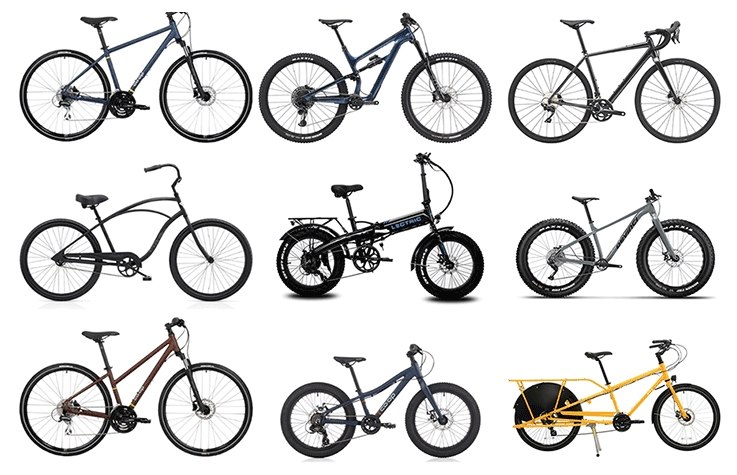
Explore 10 bicycle types — electric, mountain, road, gravel & more — with specs, prices, and expert buying tips to find your perfect ride.
Introduction
Bicycle types vary widely depending on how and where you plan to ride. Choosing the right bicycle starts with understanding what actually separates one type of bike from another. Wheel size, frame material, suspension, gearing, and intended use all change dramatically depending on whether you’re commuting through city traffic, climbing singletrack, racing on pavement, or hauling cargo across town. This guide breaks down the 10 major bicycle types riders search for most, along with the real-world specs — weight, brakes, speeds, price — that define each one, so you can match a bike to the way you actually plan to ride.
Understanding the different bicycle types is the first step before exploring bicycle parts, bicycle accessories, or bicycle maintenance — since the right components and upkeep depend entirely on which bicycle type you own.
Alt text: bicycle types comparison — road, mountain, electric, and hybrid bikes
How to Choose Among Different Bicycle Types
Before picking a category, it helps to understand the specs that differentiate bicycle types at a glance:
- Wheel Size – Smaller wheels (16″–20″) suit folding and BMX bikes; larger wheels (26″–29″ or 700c) suit road, mountain, and hybrid bikes.
- Brake Type – Coaster and rim/V-brakes are common on entry-level bikes; mechanical and hydraulic disc brakes appear on mountain, gravel, and e-bikes for stronger stopping power.
- Weight – Lightweight carbon road bikes can weigh under 20 lbs, while cargo e-bikes can weigh 80 lbs or more.
- Frame Material – Aluminum dominates the mid-range; carbon fiber shows up in performance road bikes; steel (hi-tensile or chromoly) is common in cruisers and BMX bikes.
- Number of Speeds – Ranges from single-speed (BMX, cruisers) to 21+ speed drivetrains (mountain, gravel, hybrid).
- Suspension – Rigid, front-suspension, or full-suspension, depending on terrain demands.
- Motor Power & Battery Range – Electric models typically run 500W–750W motors with 30–60 miles of range.
- Rider Level – Beginner, intermediate, or advanced, based on handling and component complexity.
- Price Range – Anywhere from roughly $150 for a kids’ BMX bike to $4,000+ for a carbon road or advanced gravel bike.
The 10 Main Bicycle Types at a Glance
| Bicycle Type | Wheel Size | Weight | Speeds | Best For | Price Range |
|---|---|---|---|---|---|
| Electric Bicycle | 26–27.5″ | 45–60 lbs | 7-Speed | City Commuting | $800–$1,500 |
| Mountain Bike | 26.5–29″ | 30–37 lbs | 21-Speed | Trail Riding | $350–$800 |
| Road Bicycle | 700c | 18–24 lbs | 16–18 Speed | Road Racing & Speed | $400–$900 |
| Folding Bike | 20″ | 22–28 lbs | 7-Speed | Urban Commuting & Storage | $250–$600 |
| BMX Bicycle | 20″ | 22–26 lbs | Single-Speed | Freestyle & Stunt Riding | $200–$450 |
| Hybrid Bicycle | 700c | 22–28 lbs | 7–21 Speed | Urban Commuting & Leisure | $350–$750 |
| Cruiser Bike | 26″ | 38–48 lbs | Single-Speed | Casual & Beach Riding | $200–$400 |
| Gravel Bicycle | 700c | 22–28 lbs | 22-Speed | Mixed Terrain & Bikepacking | $800–$1,500 |
| Fat Tire Bike | 26 x 4.0″ | 32–42 lbs | 7–21 Speed | Snow, Sand & Rough Trails | $400–$800 |
| Commuter Bicycle | 700c | 24–28 lbs | 7–21 Speed | Daily Urban Commuting | $400–$800 |
Among all bicycle types, electric and gravel bikes currently carry the highest average price, while BMX and cruiser bicycle types remain the most affordable entry points for new riders.
1. Electric Bicycle Types
Electric bicycle types pair a traditional bike frame with a motor and battery, making hills, headwinds, and long commutes far less demanding on the legs.
Specs:
- Wheel Size: 26–27.5 inches
- Brakes: Disc
- Weight: 45–60 lbs
- Frame Material: 6061 Aluminum Alloy
- Speeds: 7-Speed (Shimano)
- Suspension: Front Suspension
- Motor & Range: 500W–750W motor, 40–60 miles per charge
- Rider Level: Intermediate
- Price Range: $800–$1,500
Best For: City commuting and reducing physical effort on daily routes.
Popular Variation:
- Cargo Electric Bicycle — Built with a longer wheelbase, 20 x 4.0″ wheels, hydraulic disc brakes, and a heavier-duty frame (65–80 lbs) for family transport and hauling cargo, with the same 500W–750W motor class but a 30–60 mile range. Priced $1,500–$3,000.
Explore the full electric bicycle lineup for more model comparisons.
2. Mountain Bike Types
Mountain bike types are built for off-road trails, with rugged frames, wide knobby tires, and suspension systems designed to absorb rough terrain.
Specs:
- Wheel Size: 26.5–29 inches
- Brakes: Disc
- Weight: 30–37 lbs
- Frame Material: 6061 Aluminum Alloy
- Speeds: 21-Speed / 1×10
- Suspension: Front Suspension (Hardtail)
- Rider Level: Intermediate
- Price Range: $350–$800
Best For: Trail riding on dirt, roots, and rocky terrain.
Popular Variation:
- Full-Suspension Mountain Bike — Adds rear shock absorption (120–150mm full suspension) alongside front suspension, with hydraulic disc brakes and a 1×10/1×11-speed drivetrain, built for all-mountain and technical trails. Suited to intermediate-to-advanced riders at $1,200–$3,000.
See the base mountain bike page for trail-specific buying advice.
3. Road Bicycle Types
Road bicycle types are lightweight, aerodynamic machines designed for speed and efficiency on paved roads.
Specs:
- Wheel Size: 700c
- Brakes: Rim Brakes / Disc
- Weight: 18–24 lbs
- Frame Material: 6061 Aluminum Alloy
- Speeds: 16–18 Speed (2×8/2×9)
- Suspension: Rigid (No Suspension)
- Rider Level: Intermediate
- Price Range: $400–$900
Best For: Road racing and covering long distances quickly.
Popular Variation:
- Carbon Road Bicycle — Uses a Carbon Fiber (T800) frame to cut weight down to 17–21 lbs, paired with hydraulic disc brakes and a 2×11-speed Shimano 105 drivetrain, aimed at endurance and racing. Intermediate-to-advanced riders, $1,800–$4,000.
Compare all specs on the main road bicycle page.
4. Folding Bike Types
Folding bike types collapse into a compact size, making them ideal for commuters who combine cycling with public transit or need easy storage.
Specs:
- Wheel Size: 20 inches
- Brakes: V-Brakes / Disc
- Weight: 22–28 lbs
- Frame Material: 6061 Aluminum Alloy
- Speeds: 7-Speed (Shimano)
- Suspension: Rigid (No Suspension)
- Rider Level: Beginner
- Price Range: $250–$600
Best For: Urban commuting and easy storage in small spaces.
Popular Variation:
- Lightweight Folding Bike — Shaves weight down to 20–26 lbs using the same 6061 aluminum frame and 7-speed Shimano drivetrain, built for multimodal commuting (train + bike). Beginner-to-intermediate, $400–$800.
Visit the folding bike hub page for storage and portability tips.
5. BMX Bicycle Types
BMX bicycle types are small, sturdy, single-speed bikes designed for freestyle tricks, jumps, and skatepark riding.
Specs:
- Wheel Size: 20 inches
- Brakes: Rear U-Brake
- Weight: 22–26 lbs
- Frame Material: Chromoly / Hi-Ten Steel
- Speeds: Single-Speed
- Suspension: Rigid (No Suspension)
- Rider Level: Beginner
- Price Range: $200–$450
Best For: Freestyle and stunt riding.
Popular Variation:
- Kids BMX Bicycle — Smaller 18–20″ wheels, a hi-tensile steel frame, and a coaster-plus-hand-brake setup for younger or beginner riders learning freestyle and skatepark basics. $150–$400.
Check the main BMX bicycle page for frame and trick guides.
6. Hybrid Bicycle Types
Hybrid bicycle types blend the upright comfort of a cruiser with the speed of a road bike, making them versatile all-rounders for commuting and leisure riding.
Specs:
- Wheel Size: 700c
- Brakes: V-Brakes / Disc
- Weight: 22–28 lbs
- Frame Material: 6061 Aluminum Alloy
- Speeds: 7-Speed / 21-Speed
- Suspension: Rigid / Front Suspension
- Rider Level: Beginner
- Price Range: $350–$750
Best For: Urban commuting and leisure riding.
Popular Variation:
- Step-Through Hybrid Bicycle — Features a low step-through frame for easy mounting, 700c wheels (35–38mm), a 7–21 speed Shimano drivetrain, and front suspension (50–63mm) for added comfort on daily rides. $400–$1,000.
Browse the full hybrid bicycle range for more comfort-focused options.
7. Cruiser Bike Types
Cruiser bike types prioritize comfort and style over speed, with wide seats, upright riding positions, and simple single-speed drivetrains.
Specs:
- Wheel Size: 26 inches
- Brakes: Coaster Brake
- Weight: 38–48 lbs
- Frame Material: Hi-Tensile Steel
- Speeds: Single-Speed
- Suspension: Rigid (No Suspension)
- Rider Level: Beginner
- Price Range: $200–$400
Best For: Casual riding and beach paths.
Popular Variation:
- Beach Cruiser Bike — Adds a spring saddle and wider 26 x 2.125″ tires for cushioned rides on boardwalks and beach paths, with a 1-speed (or 3-speed) option. Beginner and casual riders, $200–$600.
See the cruiser bike page for style and comfort comparisons.
8. Gravel Bicycle Types
Gravel bicycle types combine road-bike speed with the durability needed for mixed terrain, dirt roads, and light off-road adventures.
Specs:
- Wheel Size: 700c
- Brakes: Hydraulic Disc
- Weight: 22–28 lbs
- Frame Material: 6061 Aluminum Alloy
- Speeds: 22-Speed (2×11) / 1×11
- Suspension: Rigid (No Suspension)
- Rider Level: Intermediate
- Price Range: $800–$1,500
Best For: Mixed terrain riding and bikepacking.
Popular Variation:
- Adventure Gravel Bicycle — Built with wider 700c x 38–45mm tires, a Shimano GRX 1×11/2×11 drivetrain, and frame compliance for long-haul comfort on multi-day bikepacking and gravel touring trips. Intermediate-to-advanced, $1,500–$4,000.
Visit the gravel bicycle page for bikepacking gear recommendations.
9. Fat Tire Bike Types
Fat tire bike types use oversized 4-inch-wide tires for traction and flotation over snow, sand, and rough, unstable surfaces.
Specs:
- Wheel Size: 26 x 4.0 inches
- Brakes: Mechanical Disc
- Weight: 32–42 lbs
- Frame Material: 6061 Aluminum Alloy
- Speeds: 7-Speed / 21-Speed
- Suspension: Rigid (No Suspension)
- Rider Level: Beginner & Intermediate
- Price Range: $400–$800
Best For: Snow, sand, and rough trail riding.
10. Commuter Bicycle Types
Commuter bicycle types are purpose-built for reliable daily transportation, balancing durability, comfort, and low maintenance.
Specs:
- Wheel Size: 700c
- Brakes: Mechanical Disc
- Weight: 24–28 lbs
- Frame Material: 6061 Aluminum Alloy
- Speeds: 7-Speed / 21-Speed
- Suspension: Rigid (No Suspension)
- Rider Level: Beginner & Intermediate
- Price Range: $400–$800
Best For: Daily urban commuting.
Pair any commuter bicycle with the right gear from our bicycle accessories guide and keep it running smoothly with our bicycle maintenance tips.
Frequently Asked Questions About Bicycle Types
What is the most versatile bicycle type? Among all bicycle types, hybrid bicycles are generally considered the most versatile, since they combine the upright comfort of a cruiser with the speed and gearing range of a road bike, making them suitable for commuting, fitness, and casual riding alike.
Which bicycle type is best for beginners? Cruiser, folding, hybrid, and commuter bicycle types are typically the easiest for beginners, thanks to their simple gearing, upright geometry, and lower cost of entry.
Are electric bicycle types worth it for commuting? Electric bicycle types reduce effort on hills and long distances, extend commuting range, and typically offer 40–60 miles per charge — making them a strong option for commuters who want to arrive without excessive fatigue.
What’s the difference between gravel and mountain bicycle types? Gravel bicycle types use narrower 700c tires and drop handlebars optimized for speed on mixed terrain and dirt roads, while mountain bicycle types use wider, knobbier tires and flat handlebars with more aggressive suspension built for technical, rugged trails.
Which bicycle type has the lowest starting price? Kids’ BMX bicycles and standard cruiser bikes tend to have the lowest entry prices among all bicycle types, starting around $150–$200.
Related Guides
Once you’ve chosen among the different bicycle types, the next steps in building complete coverage of the site include:
- Bicycle Parts — Understand every component, from frame parts to crankset and wheel parts.
- Bicycle Accessories — Explore racks, lights, mirrors, and brand-specific accessories.
- Bicycle Maintenance — Learn how to keep any bicycle type running smoothly, including chain care and brake maintenance.
- Bicycle Safety & Security — Locks, helmets, lights, and alarms to protect your ride.