


AI Marketing Tools 2026 are changing how businesses plan, create, run, and measure campaigns. The biggest shift is not just faster content creation. It is smarter automation across ads, search, social media, and customer workflows. At the same time, marketers are adapting to AI-powered search: HubSpot’s 2026 research says over 92% of marketers plan on or already use SEO for traditional and AI-powered search engines, while nearly 30% report decreased search traffic as consumers turn to AI tools. (HubSpot)
1) AI is now built into major ad platforms
One of the biggest updates in AI Marketing Tools 2026 is the way ad platforms are using AI to handle more of the work. Google said AI Max is moving out of beta in April 2026, with stronger targeting, better creative tools, and more controls. Google also expanded AI Max to Shopping and travel ad formats, added an AI Brief tool, and updated final URL expansion to support mandatory text disclaimers. Google also introduced Ads Advisor, which helps find and fix ad problems, monitor account safety, and speed up certifications. (blog.google)
For digital marketers, this matters because it reduces the time spent on manual campaign setup and troubleshooting. Instead of building every ad variation and fix by hand, teams can use AI to speed up testing, improve compliance, and launch campaigns faster. Google’s Demand Gen updates also show this direction clearly: marketers can now use Veo in Google Ads to turn static images into video variations. (blog.google)
2) Social ad tools are getting more automated
Meta is also pushing AI deeper into paid social. Meta Advantage+ is a suite of tools that uses AI and automation to optimize campaign performance in real time and match ads to people most likely to take action. Meta says Advantage+ Creative can generate and enhance ad variations across image, video, and carousel formats. (Facebook)
This is a major change for digital marketing because social media teams no longer need to manually build dozens of ad versions for every audience. AI can now handle more of the testing and variation work, which makes campaign management faster and often more efficient. The trade-off is that marketers still need strong creative direction, because AI works best when the brand message is already clear. That point matches HubSpot’s 2026 view that brand POV and trust matter more as AI floods the market with content. (HubSpot)
3) Content creation is becoming an AI production system
Adobe is one of the clearest examples of AI moving from experiment to production. Adobe GenStudio for Performance Marketing is designed to create on-brand copy and creative asset variations at scale, and it integrates with Adobe Workfront and Adobe Experience Manager Assets. Adobe also says Firefly Enterprise Solutions are built for commercial safety, brand governance, and enterprise content workflows, while Firefly custom models let teams train AI on their own assets and brand standards. (Adobe Business)
This changes digital marketing in a practical way. Teams can move from one-off creative requests to a repeatable content pipeline. That means faster ad production, more personalized messaging, and better consistency across channels. Adobe’s newer Firefly production tools also point to a larger trend: AI is no longer only for text generation; it is being used for image generation, video, 3D product visualization, and workflow automation. (Adobe Business)
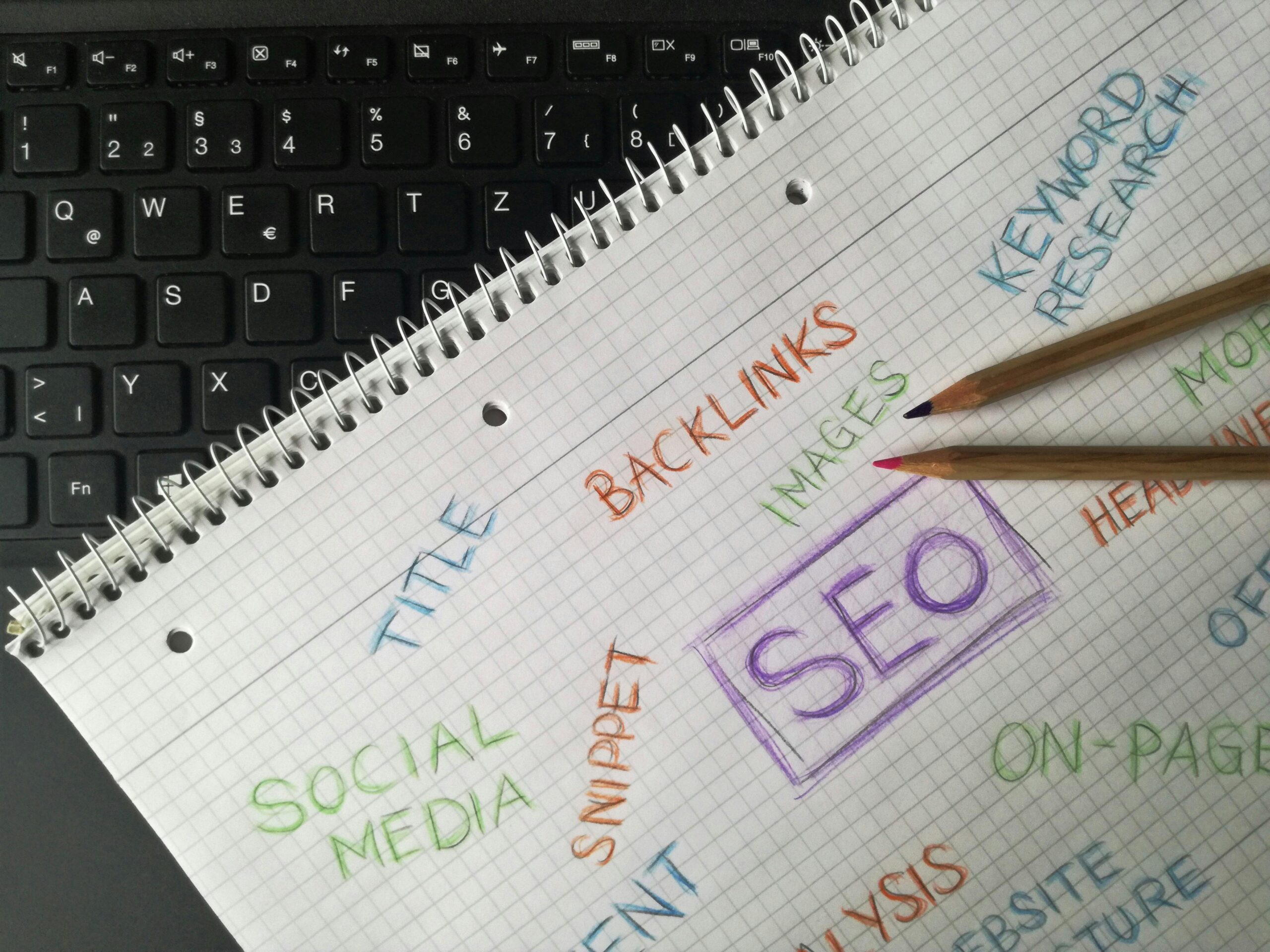
4) SEO is shifting toward AI search and brand authority
AI Marketing Tools 2026 are also affecting search strategy. HubSpot’s 2026 research says marketers are adjusting SEO for both traditional search engines and AI-powered search engines. HubSpot also reports that many marketers are seeing traffic changes as consumers use AI tools more often, which is why visibility now depends more on clear expertise, useful content, and a strong point of view. (HubSpot)
HubSpot’s AI search strategy guidance focuses on conversational queries, voice search, image search, and topic authority. In simple terms, marketers need content that answers real questions clearly, not content that is only written to rank for keywords. The message is clear: in 2026, SEO is no longer just about search engines. It is also about how AI systems understand, summarize, and recommend your brand. (HubSpot Blog)
5) AI agents are expanding what marketing teams can automate
Another big update in AI Marketing Tools 2026 is the rise of AI agents. OpenAI introduced workspace agents in ChatGPT in April 2026, designed for repeatable workflows, long-running tasks, and team use under organizational permissions and controls. OpenAI also said its ads pilot in ChatGPT is advancing, with early results showing low dismissal rates and no impact on consumer trust metrics in the latest update. Adobe has also said it is exploring ads in ChatGPT. (OpenAI)
For marketers, this suggests a future where AI does more than write copy. It can help manage workflows, organize information, support campaign planning, and possibly even play a role in conversational advertising. That does not remove the need for human marketers. It changes their role from doing every task manually to guiding strategy, reviewing output, and making sure the brand stays consistent. (OpenAI)
Conclusion
AI Marketing Tools 2026 are making digital marketing faster, more automated, and more data-driven. The latest updates from Google, Meta, Adobe, HubSpot, and OpenAI all point in the same direction: less manual work, more AI-assisted execution, and a bigger need for human strategy. The brands that win will be the ones that use AI to scale content and campaigns while still protecting trust, clarity, and brand voice.