


Introduction
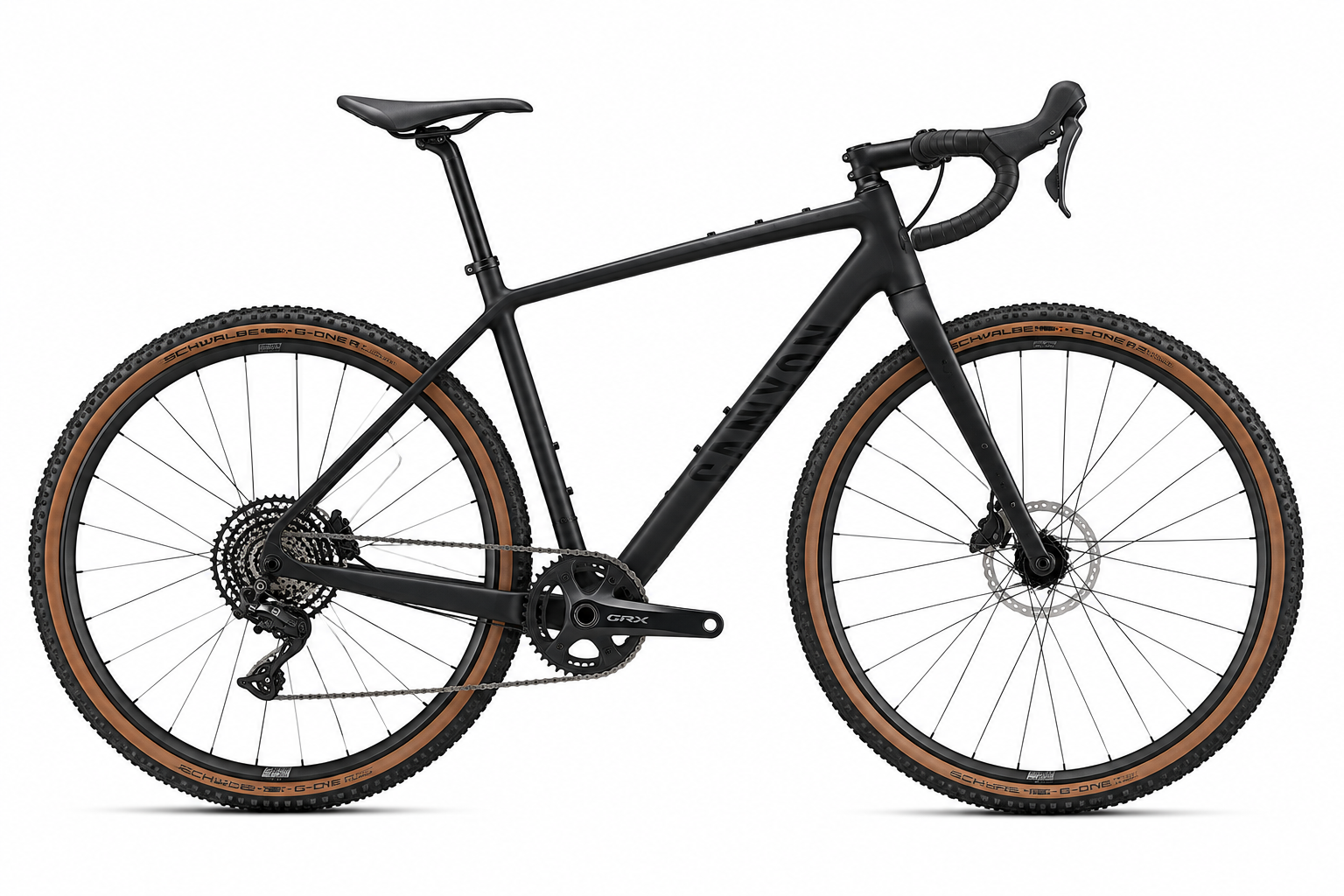
A gravel bicycle is a drop-bar bike built to handle pavement, dirt roads, and light off-road terrain with a single, versatile setup. If you’re deciding whether a gravel bicycle is right for you: it’s generally the best choice if your rides regularly mix paved roads with gravel, dirt, or unpaved paths, and a weaker choice if you ride exclusively on pavement (where a road bicycle is faster) or on technical, rocky trails (where a mountain bike is more capable).
What Is a Gravel Bicycle?
A gravel bicycle takes the drop-bar handlebar and riding position of a road bicycle and combines it with wider tire clearance, more relaxed frame geometry, and stronger braking, so the same bike can handle a paved commute, a dirt fire road, and a light singletrack connector without switching bikes. It emerged as a distinct category because neither a road bicycle nor a mountain bike was well suited to riders who wanted speed on pavement and confidence on unpaved surfaces in the same ride.
The defining trait isn’t any single component — it’s the combination of road-bike efficiency with off-road-capable tire clearance and durability, tuned for long days covering mixed terrain rather than technical trail features.
Key Characteristics & Components
The traits that most commonly define a gravel bicycle include:
- 700c wheels with wide-tire clearance — typically fitting tires from roughly 38mm to 45mm or wider, far beyond what a road bicycle frame can accommodate.
- Hydraulic disc brakes — providing stronger, more consistent stopping power in wet, muddy, or loose-surface conditions than traditional rim brakes.
- Wide-range gearing — often a 1×11 (single chainring) or 2×11 (double chainring) drivetrain — gives riders enough range for both flat pavement and steep unpaved climbs.
- Aluminum frame — 6061 aluminum alloy is the most common frame material in this category, balancing weight, durability, and cost; carbon fiber gravel bicycles exist at higher price points but aren’t part of the core specification here.
- Rigid fork with frame compliance — most gravel bicycles skip suspension entirely, instead relying on frame flex and tire volume to absorb vibration from rough surfaces.
- Mounting points for bags and racks — many gravel bicycles include additional frame mounts compared to a road bicycle, supporting bikepacking bags or racks for longer unsupported rides.
Gravel Bicycle Specs at a Glance
Key Dimensions & Components
| Spec | Gravel Bicycle |
| Wheel Size | 700c |
| Brakes | Hydraulic Disc |
| Weight | 22–28 lbs |
| Frame Material | 6061 Aluminum Alloy |
| Speeds | 22-Speed (2×11) / 1×11 |
| Suspension | Rigid (No Suspension) |
| Motor | N/A (Non-Electric) |
| Rider Level | Intermediate |
| Specific Use | Mixed Terrain & Bikepacking |
| Price Range | $800–$1,500 |
These figures reflect a typical range for this category rather than a fixed specification — actual weight, gearing choice, and price vary by manufacturer, component group, and frame material.
Adventure Gravel Bicycle: The Touring-Focused Variation
The adventure gravel bicycle extends the standard gravel platform specifically for multi-day bikepacking and gravel touring, where sustained comfort and load capacity matter more than outright speed.
Key Dimensions & Components
| Spec | Adventure Gravel Bicycle |
| Wheel Size | 700c (38–45mm tires) |
| Brakes | Hydraulic Disc |
| Weight | 19–24 lbs |
| Frame Material | 6061 Aluminum Alloy |
| Speeds | 1×11 / 2×11 Speed (Shimano GRX) |
| Suspension | Rigid (Frame Compliance) |
| Motor | N/A (Non-Electric) |
| Rider Level | Intermediate & Advanced |
| Specific Use | Bikepacking & Gravel Touring |
| Price Range | $1,500–$4,000 |
Despite being built for loaded, multi-day riding, an adventure gravel bicycle is often lighter than the standard gravel bicycle configuration — the weight savings typically come from a higher-grade Shimano GRX groupset and refined frame engineering rather than a change in core materials. The wider 38–45mm tire clearance and dedicated frame compliance (engineered flex in the frame and fork to absorb vibration) are the features that most directly support long, loaded days on unpaved routes.
Gravel Bicycle vs. Road Bicycle vs. Mountain Bike
This comparison is usually the deciding factor for readers weighing a gravel bicycle against the two categories it sits between.
| Factor | Gravel Bicycle | Road Bicycle | Mountain Bike |
| Handlebar Style | Drop bar | Drop bar | Flat bar |
| Tire Width | 38–45mm | 23–32mm | 2.2″+ (knobby) |
| Terrain | Pavement, dirt, light trail | Pavement only | Technical off-road trails |
| Suspension | None (frame compliance) | None | Front or full |
| Typical Weight | 22–28 lbs | 18–24 lbs | 30–37 lbs |
| Price Range | $800–$1,500 | $400–$900 | $350–$800 |
A gravel bicycle will always be slower than a road bicycle on smooth pavement, due to wider tires and a less aggressive riding position — but it will go places a road bicycle physically cannot, thanks to tire clearance and stronger braking. Compared to a mountain bike, a gravel bicycle is faster and more efficient on pavement and moderate dirt roads, but it lacks the suspension and tire volume needed for technical, rocky, or root-heavy trails.
Benefits of a Gravel Bicycle
- Terrain versatility — one bike reasonably covers paved commuting, dirt roads, and light trail connectors without needing to switch bikes.
- Strong, consistent braking — hydraulic disc brakes perform reliably in wet or muddy conditions where rim brakes lose effectiveness.
- Bikepacking-ready — frame mounting points support racks and bags for multi-day unsupported riding, a capability most road bicycles lack.
- More comfortable than a road bicycle over rough surfaces — wider tires and frame compliance reduce vibration and fatigue on chipseal, dirt, or broken pavement.
Limitations of a Gravel Bicycle
- Slower than a road bicycle on pavement — wider tires and a more relaxed geometry increase rolling resistance compared to a dedicated road setup.
- Less capable than a mountain bike on technical trails — no suspension and narrower tires than a mountain bike limit performance on rocky, root-heavy, or steep technical terrain.
- Higher price point than entry-level road or mountain bikes — the combination of hydraulic disc brakes and wide-range gearing typically puts a gravel bicycle above entry-level pricing in either adjacent category.
- Component complexity varies — 1x versus 2x drivetrain choice affects both gear range and maintenance, and isn’t standardized across brands, so specifications should be checked model by model.
Who Should Choose a Gravel Bicycle?
A gravel bicycle is generally the right choice for:
- Riders whose routes regularly mix pavement with dirt roads, gravel, or unpaved paths.
- Cyclists interested in bikepacking or multi-day unsupported touring on mixed surfaces.
- Road cyclists who want more tire clearance and braking confidence without moving to a full mountain bike.
- Riders who want one versatile bike rather than separate road and off-road bikes, and whose terrain doesn’t include technical singletrack.
A gravel bicycle is generally not the right choice for competitive road racing (a road bicycle is faster and lighter) or technical off-road trail riding (a mountain bike offers suspension and tire volume gravel bikes don’t have).
Factors to Consider Before Buying a Gravel Bicycle
Before comparing specific models, weigh these factors against how you actually plan to ride:
- Terrain mix — mostly pavement with occasional gravel favors narrower tires (38mm range); frequent dirt roads or light trail favor wider tires (42–45mm) and possibly the adventure gravel bicycle variation.
- Braking type — hydraulic disc brakes offer stronger, more consistent stopping power in wet or muddy conditions than mechanical disc brakes; worth prioritizing if your budget allows.
- Drivetrain layout (1x vs. 2x) — affects gear range and long-term maintenance; see the dedicated section below for the full trade-off.
- Frame mounting points — not all gravel bicycles include the same number of rack and bag mounts; confirm before assuming bikepacking capability.
- Intended use — general mixed-terrain riding suits the standard gravel bicycle configuration, while loaded multi-day touring is better served by the adventure gravel bicycle range.
- Frame geometry and fit — gravel-specific frames have a slightly longer wheelbase and more relaxed head tube angle than a road bicycle of the same nominal size; check the manufacturer’s own size chart rather than assuming road-bicycle sizing carries over.
- Budget — a standard gravel bicycle ($800–$1,500) suits general mixed-terrain riding; the adventure gravel bicycle range ($1,500–$4,000) is worth the investment specifically for loaded, multi-day touring.
- Component maintenance needs — wider tire clearance and off-road use mean more frequent drivetrain cleaning and brake pad inspection than a road bicycle typically requires.
How to Choose the Right Gravel Bicycle
- Assess your typical terrain mix. Mostly pavement with occasional gravel favors narrower tires (38mm range); frequent dirt roads or light trail favor wider tires (42–45mm) and possibly the adventure gravel bicycle variation.
- Decide between 1x and 2x gearing. See the dedicated section below — this affects both gear range and long-term maintenance.
- Confirm hydraulic disc brakes. Given how central braking confidence is to gravel riding, avoid mechanical-only disc setups if your budget allows for hydraulic.
- Check frame mounting points if you plan to bikepack. Not all gravel bicycles include the same number of rack and bag mounts — confirm before assuming touring capability.
- Match your budget to intended use. A standard gravel bicycle ($800–$1,500) suits general mixed-terrain riding; the adventure gravel bicycle range ($1,500–$4,000) is worth the investment specifically for loaded, multi-day touring.
- Test the riding position if possible. Gravel bicycle geometry is more relaxed than a road bicycle’s, but this still varies by brand — fit matters as much as spec sheet numbers.
Understanding Gravel Bicycle Gearing: 1x vs. 2x
Gravel bicycles commonly use one of two drivetrain layouts, and the choice affects both capability and upkeep:
- 1x (single chainring) — Simpler, with fewer components to maintain and no front derailleur to adjust. Gear range is narrower than a 2x setup, which can matter on routes with both steep climbs and fast flats.
- 2x (double chainring) — Offers a wider overall gear range with smaller steps between gears, useful for riders covering varied elevation. Adds the maintenance complexity of a front derailleur.
Neither layout is universally better — 1x is generally favored for simplicity and reduced maintenance, particularly for bikepacking where mechanical reliability matters more, while 2x is favored by riders who want finer gear steps across a wide range of terrain and elevation.
Sizing & Fit
Gravel bicycles are generally sized using the same frame-height-based approach as road bicycles, since they share similar drop-bar geometry. However, gravel-specific frames typically have a slightly longer wheelbase and more relaxed head tube angle than a road bicycle of the same nominal size, which affects handling and stability rather than the height range the frame fits. Because sizing charts and geometry vary by manufacturer, checking the specific brand’s size chart — rather than assuming a size that fits a road bicycle will fit identically on a gravel bicycle — gives a more reliable result.
Maintenance Basics
A gravel bicycle’s maintenance draws from both road and mountain bike practices, since it’s ridden in both environments:
- Tire pressure should be adjusted for terrain — lower pressure improves traction and comfort on dirt or gravel, while higher pressure is more efficient on pavement, within the tire manufacturer’s recommended range.
- Drivetrain cleaning matters more than on a road bicycle, since dirt and gravel routes introduce more grime into the chain and cassette.
- Disc brake pad inspection should happen regularly, particularly after wet or muddy rides, since off-road conditions wear pads faster than pavement-only riding.
- Frame and fork inspection — while aluminum frames are durable, riders who frequently ride loaded (bikepacking) should periodically check mounting hardware and frame welds for stress, especially after rough terrain.
Safety Considerations
Riding a gravel bicycle often means covering longer distances in more remote or less-trafficked areas than typical road or commuter cycling, which raises the importance of visibility and preparedness. A properly fitted bicycle helmet is standard practice, and a reliable bicycle lock matters for any stops in towns along a route, particularly for higher-value gravel and adventure gravel bicycles that are attractive theft targets.
Conclusion
A gravel bicycle earns its place as a distinct category by solving a specific problem: covering both pavement and unpaved terrain confidently with one bike, rather than compromising with either a road bicycle’s narrow tires or a mountain bike’s off-road-only design. The clearest takeaway is this — choose a gravel bicycle if your riding genuinely mixes surfaces or you’re interested in bikepacking; choose a road bicycle if you ride pavement exclusively and want maximum speed, and choose a mountain bike if your terrain includes technical, rocky trails beyond what wider tires and frame compliance can handle.
Frequently Asked Questions About Gravel Bicycles
What is a gravel bicycle used for?
A gravel bicycle is used for riding that mixes pavement, dirt roads, and light off-road terrain in the same ride, as well as multi-day bikepacking and gravel touring on unpaved routes.
Is a gravel bicycle slower than a road bicycle?
Yes, generally — a gravel bicycle’s wider tires and more relaxed geometry increase rolling resistance compared to a road bicycle, trading some pavement speed for the ability to handle rougher, unpaved surfaces.
Can a gravel bicycle replace a mountain bike?
A gravel bicycle can handle light trails and dirt roads, but it lacks the suspension and tire volume needed for technical, rocky, or root-heavy mountain bike trails, so it’s not a full substitute for demanding off-road riding.
What’s the difference between a gravel bicycle and an adventure gravel bicycle?
A standard gravel bicycle is built for general mixed-terrain riding, while an adventure gravel bicycle adds wider tire clearance, a Shimano GRX drivetrain, and engineered frame compliance specifically optimized for loaded, multi-day bikepacking and touring.
Should I choose 1x or 2x gearing on a gravel bicycle?
1x gearing offers simplicity and lower maintenance, which suits bikepacking and riders who prioritize mechanical reliability, while 2x gearing offers a wider range with finer gear steps, which suits riders covering varied elevation who want more precise control over cadence.
How much does a gravel bicycle cost?
A standard gravel bicycle typically costs $800–$1,500, while an adventure gravel bicycle built for touring and bikepacking runs $1,500–$4,000.
Do gravel bicycles need suspension?
No — most gravel bicycles rely on frame compliance (engineered flex in the frame and fork) and wider tire volume rather than mechanical suspension to absorb vibration from rough surfaces, keeping the bike lighter and lower-maintenance.
Related Guides
- Bicycle Types — Compare the gravel bicycle against all major bicycle types.
- Adventure Gravel Bicycle — The touring-focused variation built for loaded, multi-day bikepacking.
- Road Bicycle — A faster, lighter option for pavement-only riding.
- Mountain Bike — A more capable choice for technical, rocky off-road trails.
- Basic Bicycle Maintenance — A general maintenance routine to complement gravel-specific care.
- Bicycle Safety & Security — Helmets and locks recommended for longer gravel and bikepacking routes.